

Author: Bob Brensel | President, Pharmacist | ScriptWorks
Bob Brensel, RPh, earned his Pharmacy Degree at University of the Pacific in Stockton, California in 1980. Former California Pharmacists Association’s Award Winner for Recognition of Outstanding Achievement in Compounding Pharmacy. Read More →
Hormones are naturally produced chemical messengers that work in concert to regulate many of the body’s functions. Hormonal imbalance can occur at any age and may affect a woman’s overall health and well-being. Hormone replacement therapy (HRT) may be needed to help restore balance among key sex hormones — estrogen, progesterone, and testosterone.
Historically, many women were prescribed one-size-fits-all commercial products regardless of their baseline hormone levels. Today, advances in personalized medicine mean compounded formulations can be customized to better match an individual woman’s hormonal needs.
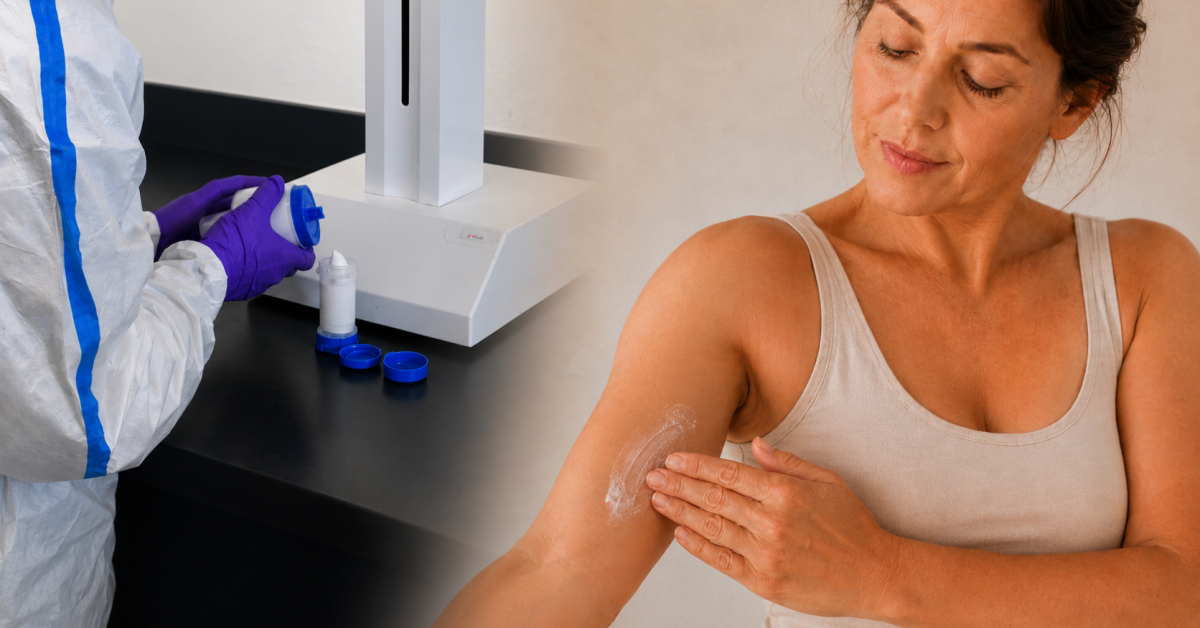
Transdermal estrogen therapy has been used for decades, but the vehicle (the “base” or gel/cream a hormone is compounded into) often determines whether an active ingredient actually makes it through the skin in a predictable way. A 2025 in vitro study in Pharmaceuticals (Basel), In Vitro Percutaneous Absorption of Permeation-Enhancing Estrogen Formulations, explored how different permeation-enhancing bases influence estradiol (and bi-est estriol/estradiol) absorption compared with a commercial estradiol gel.
Why the “Base” Matters in Topical Hormone Therapy
Permeation-enhancing vehicles are designed to help an active ingredient partition into the stratum corneum and potentially diffuse across the skin more efficiently. For hormone replacement therapy (HRT), many clinicians and patients look for consistent delivery — avoiding rapid “spikes” that may be harder to titrate and may contribute to unwanted effects. That’s why studies that measure flux (rate of absorption over time) can be especially informative.
Study Spotlight: Comparing Commercial Estradiol Gel vs Compounded Permeation-Enhancing Bases
In In Vitro Percutaneous Absorption of Permeation-Enhancing Estrogen Formulations, Guiyun Song and colleagues evaluated percutaneous absorption from five estrogen products: compounded estradiol 0.06% and compounded bi-est (estriol/estradiol 0.1%/0.06%) prepared in proprietary aqueous and anhydrous permeation-enhancing bases, compared against the commercially available estradiol transdermal gel ESTROGel. The team used an in vitro permeation test (IVPT) and quantified hormone strength with ultra-performance liquid chromatography (UPLC).
The headline finding was the shape of the absorption curve. ESTROGel showed a rapid rise in estradiol absorption rate within about 0.5 hours, followed by a rapid decline in flux within ~4 hours and then a slower decline through ~16 hours. In contrast, the compounded formulations demonstrated a slower, steadier increase — reaching peak flux within about 6 hours — and then maintained steadier absorption out to ~16 hours. The authors concluded that the compounded bases supported steadier percutaneous absorption without the quick peak-and-drop pattern seen with the commercial gel.
What This Could Mean in Practice (and What It Doesn’t)
This study doesn’t claim that one product is “better” for every patient — but it does provide a useful formulation-focused lens for HRT decisions. A few grounded takeaways:
- Delivery profile matters: A fast peak followed by decline may feel different (and be managed differently) than a slower rise with steadier delivery, especially when dose adjustments are being made.
- Vehicles aren’t interchangeable: Two products with the same labeled estradiol strength can behave differently depending on the base and excipients used to enhance permeation.
- Compounding adds flexibility — and responsibility: Personalized strengths and combinations (like bi-est estriol/estradiol) may help tailor therapy, but quality systems (ingredient sourcing, mixing, and verification) are critical.
- In vitro is not the full story: IVPT results are a controlled model; real-world absorption can differ by patient, body site, skin condition, and application technique. Clinical outcomes and safety monitoring still depend on clinician oversight and patient follow-up.
Questions Worth Asking a Clinician or Compounding Pharmacist
- What absorption pattern are we aiming for (rapid onset vs steadier exposure), and why?
- Which application site and technique are recommended for my product?
- How will we monitor response and adjust dose (symptoms, labs when appropriate, follow-up timing)?
- If compounded, what quality checks are used to confirm hormone strength and consistency?
Bottom Line
The 2025 paper In Vitro Percutaneous Absorption of Permeation-Enhancing Estrogen Formulations highlights a practical reality in transdermal therapy: the formulation vehicle may shape how estradiol moves through skin over time. Whether you use a commercial gel or a compounded option, the most important step is pairing the product choice with thoughtful dosing, consistent application, and ongoing clinical monitoring.
Reference: Song, G., Ip, K., Biundo, B., Carvalho, M., Day, A. J., Bassani, A. S., Song, H., Valdez, B. C., & Banov, D. (2025). In vitro percutaneous absorption of permeation-enhancing estrogen formulations. Pharmaceuticals, 18(4), 596. Link
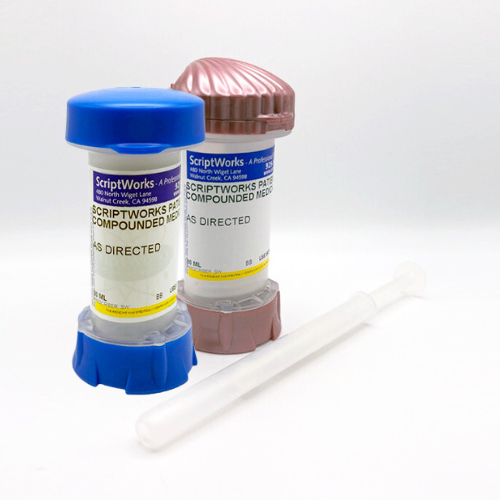
In a time when Estradiol Patches are in short supply, it makes sense to prescribe a permeation-enhancing estrogen formulation for patients. An evidence-based formulation may produce sustained absorption of estrogen.
If a conversion is needed from the patch, please reach out to one of our Bio-Identical Hormone specialists at ScriptWorks and we make recommendations if necessary.
Note: Compounding pharmacies, including ScriptWorks, prepare customized medications only pursuant to a valid prescription and in collaboration with a licensed prescriber. While our team may provide general formulation support and educational information, any medication changes, conversions, or recommendations must be evaluated and directed by the prescribing healthcare provider.
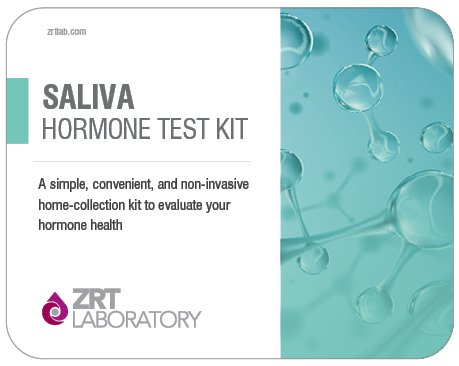
Saliva Testing Kit
Saliva testing is a non-invasive collection method where patients collect their saliva in plastic tubes in order to measure hormones like cortisol, progesterone, and estrogens. Ideal for patients because it allows them to collect their sample in the privacy of their home or office.
FAQs About Estradiol & Topical Estrogen Formulations
Why are some estradiol patches harder to find right now?
Some estradiol transdermal patch products are listed by ASHP as being on shortage or intermittent back order. Reported factors include increased demand and manufacturer-specific supply limitations.
What should I do if my pharmacy cannot fill my estradiol patch prescription?
If your pharmacy is unable to fill your estradiol patch prescription, contact your prescriber before making any changes. ScriptWorks may be able to work with your provider to review compounded hormone options, such as estradiol creams or other customized dosage forms, when appropriate for your individual needs.
Are there non-patch estradiol options available through ScriptWorks?
Yes. ScriptWorks may offer compounded estradiol in non-patch dosage forms, such as topical creams, capsules, or other provider-directed options. The most appropriate option depends on your health history, current prescription, goals, and your prescriber’s clinical judgment.
What is topical estrogen?
Topical estrogen is a form of hormone therapy applied to the skin as a cream, gel, or other transdermal preparation designed to deliver estrogen through the skin over time.
Does the base affect topical estrogen absorption?
Yes. Research suggests the formulation base may influence how topical estrogen moves through the skin and how steadily it is absorbed over time.
Are compounded topical estrogen formulations customized?
Compounded topical estrogen formulations may be prepared pursuant to a valid prescription to meet an individual patient’s prescribed strength, dosage form, or ingredient needs as determined by a licensed healthcare provider.
Is topical estrogen therapy the same for every patient?
No. Hormone therapy decisions, including product selection and dosing, should be individualized and monitored by a licensed prescriber based on patient-specific factors.
Can a compounding pharmacy recommend hormone dose conversions?
Compounding pharmacies may provide formulation support and educational information, but medication changes or hormone conversion decisions must be directed by the prescribing healthcare provider.
Related Blogs on Estrogen and Women's Hormone Therapy