

Author: Bob Brensel | President, Pharmacist | ScriptWorks
Bob Brensel, RPh, earned his Pharmacy Degree at University of the Pacific in Stockton, California in 1980. Former California Pharmacists Association’s Award Winner for Recognition of Outstanding Achievement in Compounding Pharmacy. Read More →
Menopause in California: A Growing Health Focus
With over 9.4 million women over age 40 estimated in California, the demand for personalized menopause care is high. According to the California Health Interview Survey, nearly 50% of women aged 45–64 report moderate to severe menopausal symptoms, but many are unaware of their treatment options.
Only ~10–15% of menopausal women use HRT, often due to lack of education or fear of outdated myths.
Integrative providers are increasingly prescribing Bi-Est for its personalized formulation potential.
What Is BHRT and How Does Compounded Bi-Est Fit In?
Bioidentical Hormone Replacement Therapy (BHRT) refers to the use of hormones that are chemically identical to those the human body naturally produces.
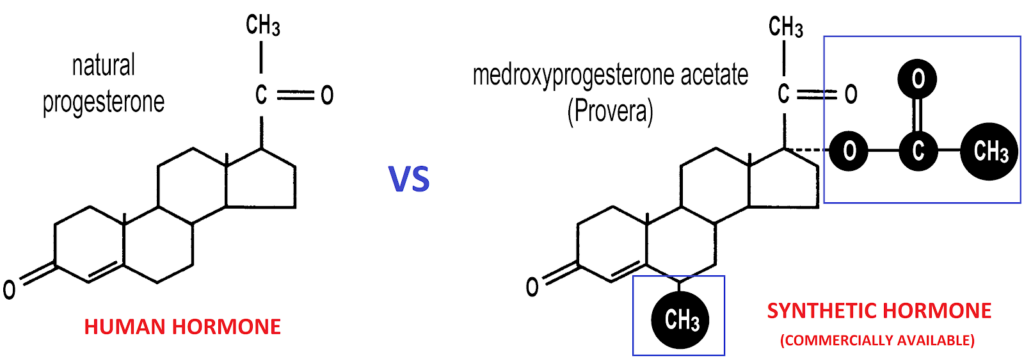
These hormones are often derived from plant sources and may be used to help support hormonal balance in individuals experiencing symptoms related to hormonal fluctuations or deficiencies, such as those during menopause or andropause. Patients or doctors may prefer BHRT over commercially available synthetic hormones because BHRT may offer a more personalized approach by using formulations that more closely match the body’s natural hormone structure.
Compounded Bi-Est is a form of BHRT that includes a customized combination of estrogens. In this blog, we explore the history of Bi-Est combinations, the mechanism of action, why Bi-Est is often combined with other hormones, how and why it’s administered, and which patients may benefit most — especially in the context of California’s large aging female population.
What Is Bi-Est Cream?
Bi-Est cream is a custom-compounded topical preparation containing a blend of bioidentical estriol (E3) and estradiol (E2). The ratio is commonly 80:20 (E3:E2), although some providers may prescribe a 50:50 ratio depending on clinical goals. Bi-Est is often prescribed in combination with other hormones such as progesterone, testosterone, or DHEA, allowing for a full-spectrum hormone balancing strategy.
- 1 mg/mL to 5 mg/mL Bi-Est cream
- Customized Topi-Click delivery system (1 click = 0.25 mL)
- Vaginal or topical routes of administration
- Available alone or combined with other hormones
Brief History of Bi-Est: From Europe to the U.S.
The concept of combining estriol and estradiol dates back to European hormone research in the 1960s and 70s. Estriol, once considered a “weaker” estrogen, gained popularity for its potential tissue-selective effects. Practitioners began combining E3 with E2 to support estrogenic activity while attempting to minimize overstimulation of sensitive tissues.
The term “Bi-Est” (or “Bi-Estrogen”) came to represent this dual estrogen formula.
Mechanism of Action: How Bi-Est May Support Hormonal Health in Menopausal Women
Each hormone in Bi-Est cream plays a distinct role in the body’s complex endocrine symphony:
Estradiol (E2)
Estradiol is the most potent estrogen in the body. It may support:
- Thermoregulation (hot flash control)
- Mood and cognitive balance
- Skin and hair integrity
- Bone density maintenance
- Vaginal tissue health
Because of its potency, it’s used in smaller amounts in Bi-Est formulations to avoid excessive stimulation.
Estriol (E3)
Estriol is often referred to as a “gentler” or weaker estrogen, but it’s not without clinical value. It may support:
- Vaginal mucosal tissue without strong proliferative effects
- Urethral and bladder support
- Skin hydration
- Possible neuroprotective and anti-inflammatory pathways
By combining E3 and E2, Bi-Est may allow prescribers to modulate the estrogenic effects, potentially offering balance between efficacy and tolerability.
Why Topical or Vaginal Administration?
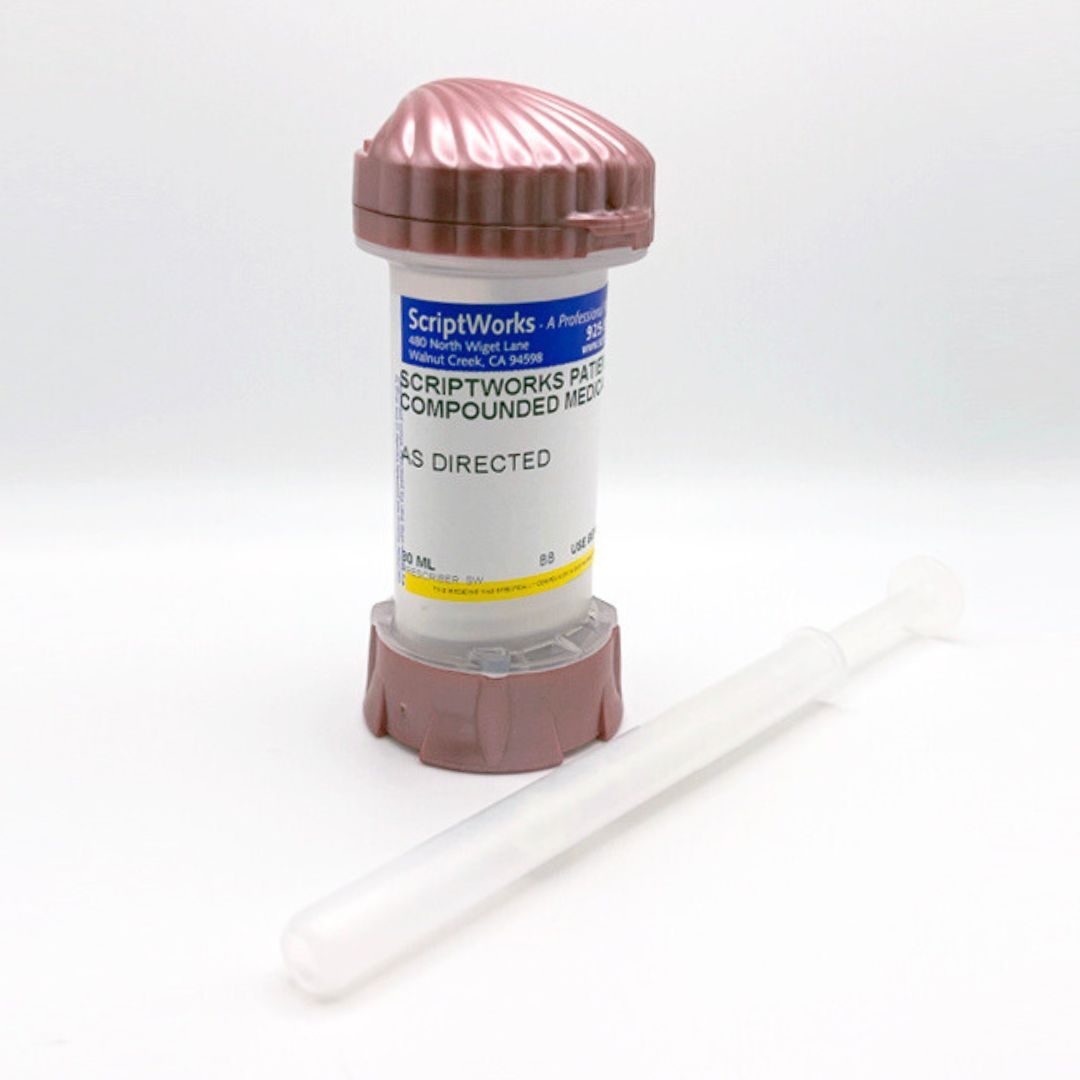
Hormones like estriol and estradiol are fat-soluble molecules, meaning they absorb efficiently through the skin. Using a topical or vaginal route may offer several advantages:
- Bypasses liver metabolism (avoiding first-pass hepatic effect)
- Steadier hormone levels
- Targeted local effects (e.g., vaginal application for dryness)
- Lower systemic exposure compared to oral estrogens
At ScriptWorks, we most commonly dispense Bi-Est using the Topi-Click topical dispenser or vaginal cream applicator for ease, precision, and reduced mess.
While Bi-Est cream — especially in topical and vaginal formulations — is the most commonly prescribed, it’s not the only option available. Depending on a patient’s specific symptoms, absorption needs, or personal preferences, healthcare providers may choose alternative delivery methods such as sublingual drops, troches, or capsules. These forms may offer flexibility for patients who need different routes of administration or who don’t respond optimally to transdermal therapy.
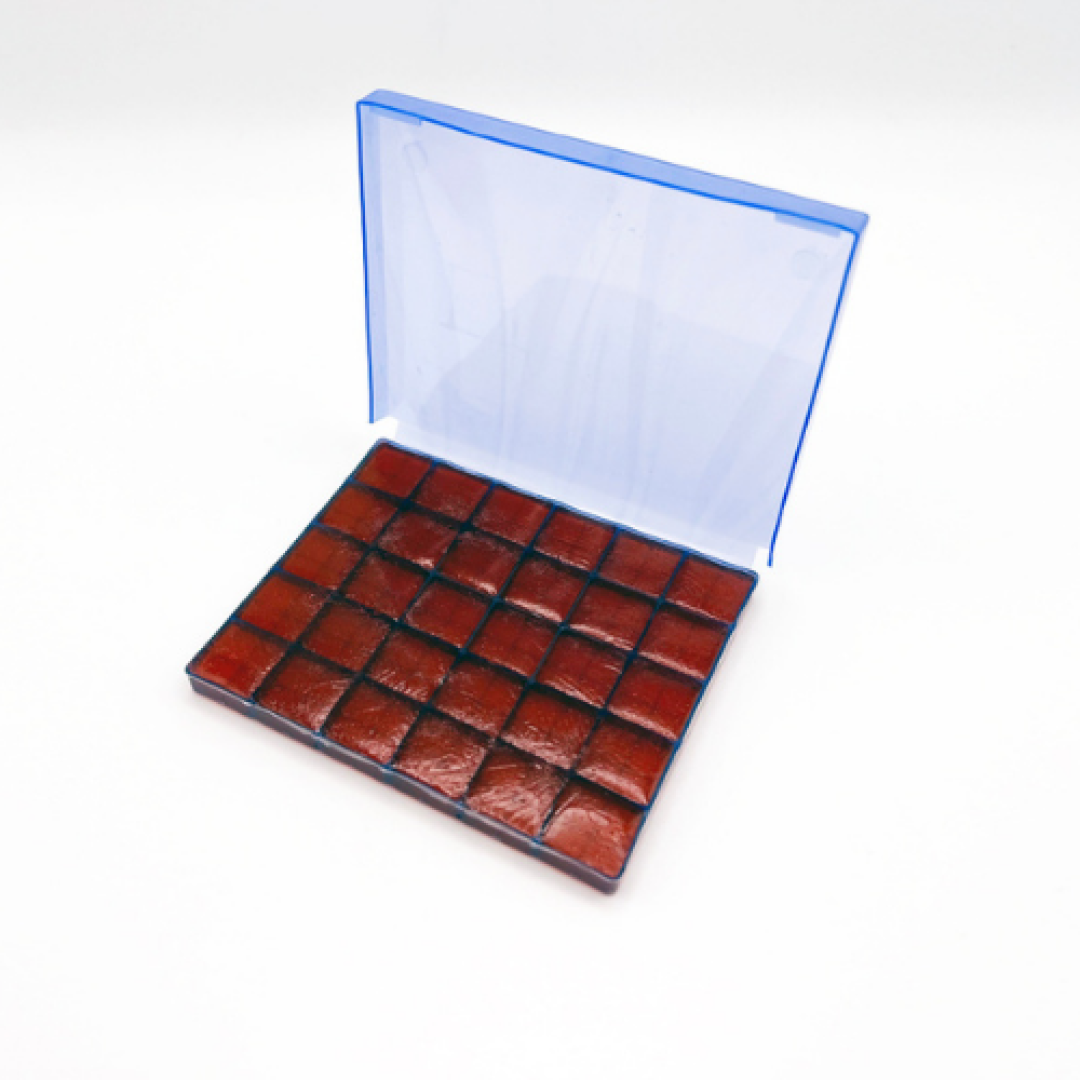
Symptoms That May Prompt a Practitioner to Prescribe Bi-Est
While each patient is unique, prescribers may consider Bi-Est cream for women experiencing symptoms associated with perimenopause, menopause, or surgical menopause. These may include:
- Hot flashes and night sweats
- Vaginal dryness or pain
- Urinary urgency or recurrent UTIs
- Mood swings or anxiety
- Sleep disruption
- Skin thinning or wrinkling
- Cognitive fog or memory lapses
- Low libido or sexual discomfort

Many women report improvement in daily well-being when hormone balance is thoughtfully addressed. However, outcomes can vary, and all prescriptions are based on a provider’s clinical judgment.
Why Bi-Est Is Often Combined With Other Hormones
Menopause and perimenopause involve complex hormonal fluctuations that affect more than just estrogen. That’s why prescribers often choose to combine Bi-Est with other bioidentical hormones to support total endocrine balance.
Progesterone
When estrogen is given — especially to women with an intact uterus — progesterone is commonly included to help offset the effects of estradiol on the uterine lining. Unopposed estradiol may stimulate endometrial growth, so progesterone may help protect against this by balancing estrogenic activity.
Beyond uterine health, progesterone may also:
- Promote relaxation and sleep
- Support mood regulation
- Aid in fluid balance and breast comfort
At ScriptWorks, we compound progesterone creams and slow released capsules in customized doses to meet each patient’s unique needs.
Testosterone
Testosterone levels decline with age in women, and it may play a role in:
- Libido and sexual function
- Energy and motivation
- Muscle maintenance
- Cognitive clarity
Compounding Bi-Est with low-dose testosterone allows prescribers to offer a more well-rounded approach for patients experiencing fatigue, reduced drive, or changes in body composition.
DHEA (Dehydroepiandrosterone)
DHEA is a precursor hormone involved in the production of estrogen and testosterone. It may support:
- Adrenal function
- Mood and stress resilience
- Vaginal tissue health
Adding DHEA to Bi-Est may be beneficial in certain women with symptoms related to low androgen output or adrenal fatigue. It can also be used vaginally to support local tissue without significant systemic absorption.
These combination therapies are possible only through custom compounding, making pharmacies like ScriptWorks an essential partner in hormone restoration strategies.
Who May Be an Ideal Candidate?
Bi-Est may be considered by prescribers for women who:
- Are in natural or surgical menopause
- Have intact uteruses (with concurrent progesterone if indicated)
- Need a lower estrogen dose than traditional therapies
- Prefer bioidentical hormones
- Have vaginal atrophy or urogenital symptoms
- Want customized hormone balancing
TEST HORMONES AT HOME
At-Home Hormone Testing Kits
Saliva testing is a non-invasive collection method where patients collect their saliva in plastic tubes in order to measure hormones like cortisol, estrogens, progesterone, and androgens. This non-invasive saliva collection is ideal for patients because it allows them to collect their sample in the privacy of their home or office. No prescription required.
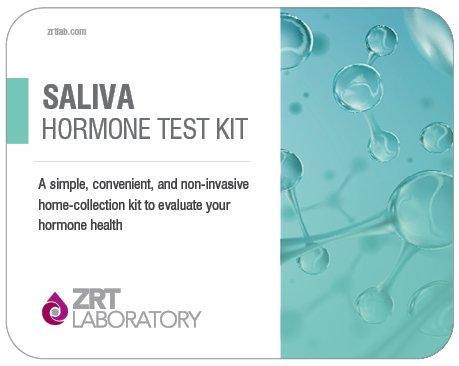
Includes a complimentary 15-minute consultation with one of our clinical pharmacists who can then send the results to your healthcare practitioner.
Why Practitioners Trust ScriptWorks for Bi-Est Cream
At ScriptWorks, we are more than just a pharmacy — we are partners in your patients’ health journey. Here’s what sets us apart:
- PCAB Accredited for compounding excellence
- Customizable Bi-Est concentrations with Topi-Click precision
- Flexible dosing options, from 1 mg/mL to 5 mg/mL
- Combination hormone creams available (add progesterone, testosterone, or DHEA as needed)
- Prescriber guidance and free consultations with our compounding pharmacists
- Fast shipping across California
- Exceptional support for both patients and clinicians
Whether your patient needs topical Bi-Est, a vaginal formulation, or a full-spectrum combination cream, we make the compounding process seamless and dependable.
Women are Suffering from Estradiol Patch Shortages and Turn to Bi-Est
In recent years, estradiol patches have become sporadically unavailable due to manufacturing delays, supply chain disruptions, or limited distribution—a challenge that can leave patients without consistent access to their hormone regimen. For women seeking options during these gaps, many may turn to compounded alternatives like Bi-Est, which includes both estradiol and estriol in customized ratios. This alternative may offer a more tailored approach during times of shortage and may be adjusted to meet individual needs under the guidance of a prescribing provider.
Trust California’s Bi-Est Hormone Therapy Compounding Pharmacy - Shipping Statewide

Menopause can bring challenges — but also opportunities for transformation and wellness when guided by thoughtful, individualized care. Bi-Est cream, especially when combined with progesterone, testosterone, or DHEA, may offer a personalized tool for hormone support when prescribed by a qualified practitioner. If you are a prescriber seeking custom Bi-Est formulations, or a patient exploring your options, ScriptWorks is here to help.
Contact us today to learn how we can support you with safe, customized, and clinically relevant hormone therapies.
References
- Anderer, S. (2024). Only About 5% of US Women Now Use Menopausal Hormone Therapy. JAMA, 332(21), 1779-1779. Link
- Beral, V., Bull, D., & Reeves, G. (2005). Endometrial cancer and hormone-replacement therapy in the Million Women Study. The Lancet, 365(9470), 1543–1551. Link
- COMBINED ESTROGEN–PROGESTOGEN MENOPAUSAL THERAPY. (1999). International Agency for Research on Cancer. Link
- Davison, S. L., Bell, R., Donath, S., Montalto, J. G., & Davis, S. R. (2005). Androgen Levels in Adult Females: Changes with Age, Menopause, and Oophorectomy. The Journal of Clinical Endocrinology & Metabolism, 90(7), 3847–3853. Link
- Labrie, F., & Labrie, C. (2012). DHEA and intracrinology at menopause, a positive choice for evolution of the human species. Climacteric, 16(2), 205–213. Link
- Miller, V. M., Naftolin, F., Asthana, S., Black, D. M., Brinton, E. A., Budoff, M. J., Cedars, M. I., Dowling, N. M., Gleason, C. E., Hodis, H. N., Jayachandran, M., Kantarci, K., Lobo, R. A., Manson, J. E., Pal, L., Santoro, N. F., Taylor, H. S., & Harman, S. M. (2019). The Kronos Early Estrogen Prevention Study (KEEPS): what have we learned? Menopause the Journal of the North American Menopause Society, 26(9), 1071–1084. Link
- Mueck, A. O., Ruan, X., Prasauskas, V., Grob, P., & Ortmann, O. (2018). Treatment of vaginal atrophy with estriol and lactobacilli combination: a clinical review. Climacteric, 21(2), 140–147. Link
- Phillips, N. A., & Bachmann, G. A. (2018). Genitourinary syndrome of menopause: Common problem, effective treatments. Cleveland Clinic Journal of Medicine, 85(5), 390–398. Link
- Santoro, N. (2015). Perimenopause: From research to practice. Journal of Women S Health, 25(4), 332–339. Link
- Sites, C. K. (2008). Bioidentical hormones for menopausal therapy. Women’s Health, 4(2), 163-171. Link
- UCLA Center for Health Policy Research. (n.d.). AskCHISTM. Link