Feline Infectious Peritonitis (FIP) in Cats
Understanding This Serious Feline Disease
Feline Infectious Peritonitis (FIP) is a serious viral disease that can affect cats. It develops when a common virus called feline coronavirus (FCoV) mutates inside a cat’s body, triggering an abnormal immune response.
Many cats encounter feline coronavirus during their lives. In most cases, the virus causes mild digestive symptoms or no noticeable illness. Only a small percentage of cats experience the viral mutation associated with FIP.
For many years, FIP was considered one of the most challenging conditions in feline medicine. Today, veterinary medicine continues to explore improved diagnostic approaches and antiviral therapies that veterinarians may consider as part of an individualized care plan.
Can FIP be treated?
Veterinary researchers are studying antiviral compounds such as GS-441524, which may interact with coronavirus replication pathways. Treatment decisions depend on veterinary evaluation, clinical findings, and patient-specific factors.
Veterinary infectious disease research has examined antiviral compounds that interact with coronavirus replication in cats with FIP.
One compound frequently discussed in this research is GS-441524, studied for its interaction with viral RNA replication pathways.
Veterinarians Easily Prescribe for FIP with ScriptWorks
What Causes Feline Infectious Peritonitis in Cats?
Which Cats May Have Higher Risk for FIP?
FIP can occur in cats of any age, but certain factors appear to increase the likelihood that the viral mutation may occur.
- Young cats under two years of age
- Cats living in multi-cat environments such as shelters, breeding facilities, or rescue groups
- Cats experiencing immune system stress
- Certain purebred cats that may have genetic susceptibility
Even when these factors are present, most cats exposed to feline coronavirus do not develop FIP.
Common Symptoms of FIP in Cats
Signs of feline infectious peritonitis can vary depending on the form of the disease and the organs affected. Some symptoms may develop gradually, while others may appear more rapidly.
- Persistent fever that does not respond to antibiotics
- Loss of appetite
- Weight loss
- Lethargy
- Abdominal swelling or fluid accumulation
- Difficulty breathing
- Eye inflammation
- Neurological changes such as tremors or difficulty walking
Any cat showing these symptoms should be evaluated by a veterinarian as soon as possible.
Types of Feline Infectious Peritonitis
Veterinarians commonly classify FIP into two primary forms, although some cats may show characteristics of both forms as the disease progresses.
Wet (Effusive) FIP
Wet FIP is associated with fluid accumulation in body cavities, most often the abdomen or chest. This fluid buildup can cause visible swelling and may affect breathing.
Possible signs may include:
- Abdominal distension
- Difficulty breathing
- Lethargy
- Reduced appetite
- Fever that does not respond to antibiotics
Dry (Non-Effusive) FIP
Dry FIP does not involve the same fluid buildup seen in the wet form. Instead, inflammatory lesions may develop in organs such as the liver, kidneys, brain, or eyes.
Signs can vary depending on which organs are involved and may include:
- Weight loss
- Persistent fever
- Eye inflammation
- Neurological changes such as difficulty walking or tremors
- Behavioral changes
Because symptoms can vary widely, dry FIP may sometimes be more difficult for veterinarians to confirm.
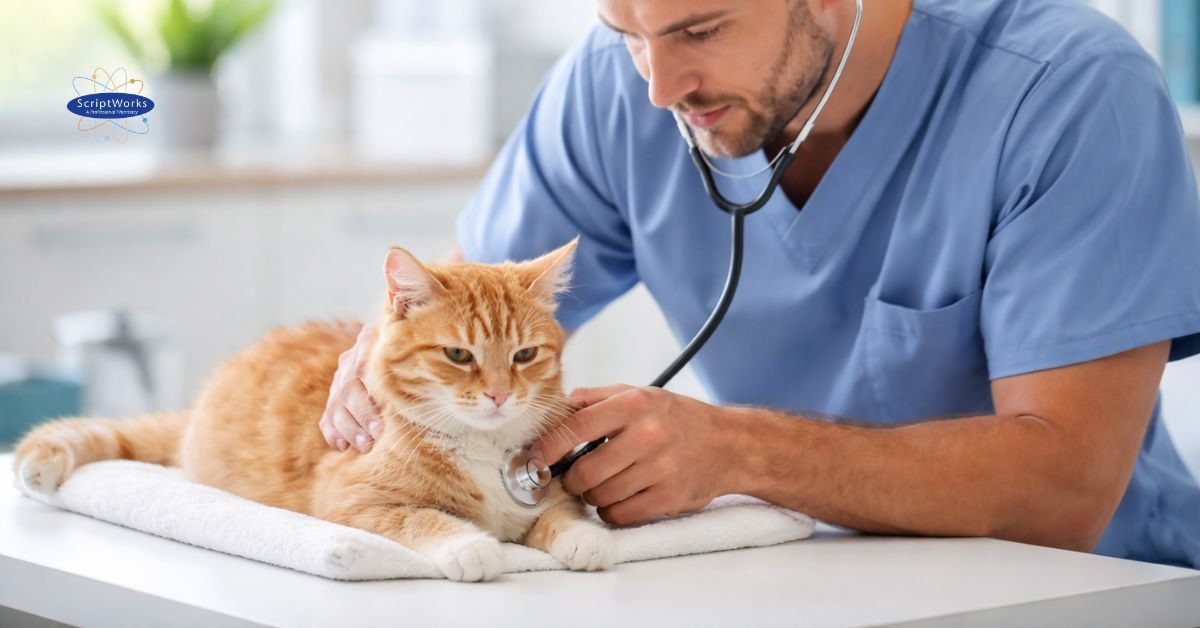
How Veterinarians Evaluate Possible FIP
Diagnosing FIP can be challenging because there is no single test that confirms the disease in every situation.
Veterinarians typically evaluate several pieces of information together, including:
- Clinical symptoms
- Blood test findings
- Imaging studies such as ultrasound or X-rays
- Analysis of fluid samples when fluid is present
- Specialized laboratory testing
By combining these findings, veterinarians determine whether FIP is the most likely explanation for a cat’s condition.
Veterinary Management Approaches for FIP
Historically, medical management of FIP focused primarily on supportive care. In recent years, veterinary medicine has explored antiviral compounds designed to interfere with viral replication.
- The form of FIP present
- The cat’s overall health
- Neurological or ocular involvement
- Response to veterinary care over time
Because FIP management can be complex, care plans should always be determined by a licensed veterinarian.
Role of Compounding Pharmacies in Veterinary Care
In some situations, veterinarians may prescribe medications that are not available in commercially manufactured forms suitable for a particular feline patient. Veterinary compounding pharmacies can prepare customized medications according to a veterinarian’s prescription.
Compounded medications may allow veterinarians to:
- Adjust dosage strengths
- Prepare medications in specific delivery forms
- Customize formulations for an individual animal
- Provide medication options when commercial products are unavailable
These customized preparations may help veterinarians tailor medical management plans to the specific needs of a feline patient.
Veterinary Compounding Support From ScriptWorks
ScriptWorks is an ACHC- and PCAB-accredited compounding pharmacy that prepares customized medications based on prescriptions from licensed healthcare providers, including veterinarians.
If your cat is showing signs of illness, contact your veterinarian for evaluation and guidance. A veterinary professional can determine appropriate diagnostic testing and discuss possible care options.
Related Blogs