
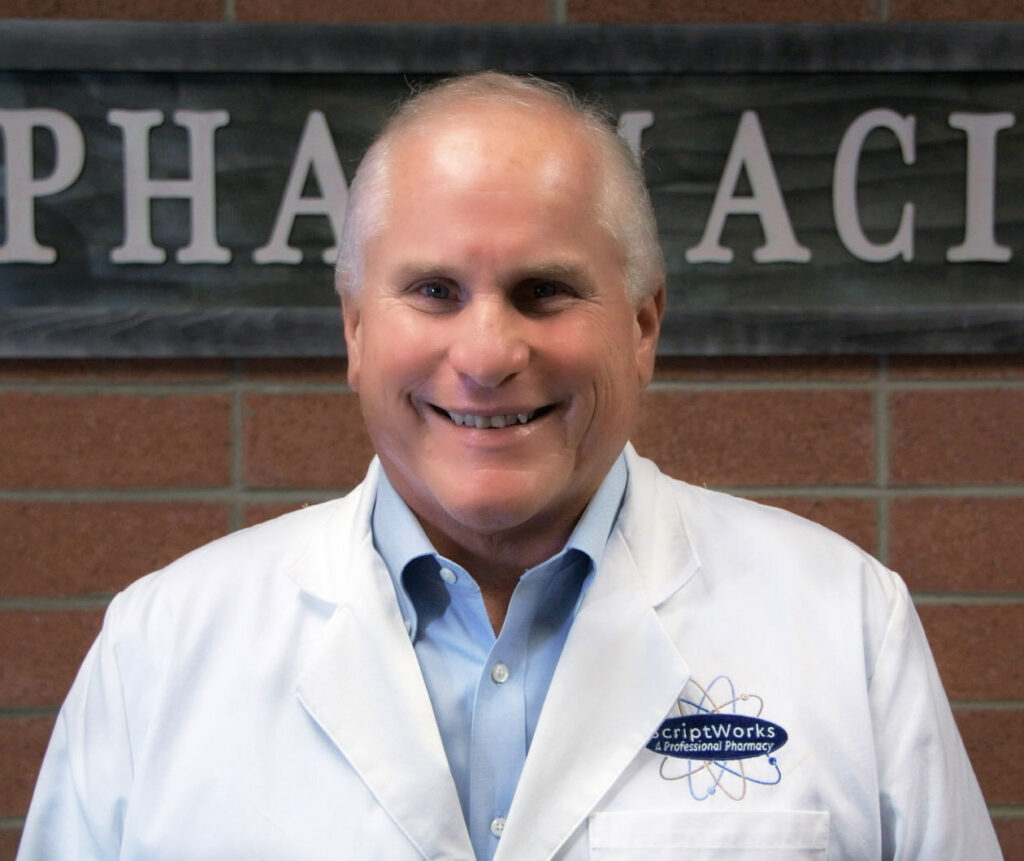
Author: Bob Brensel | President, Pharmacist | ScriptWorks
Bob Brensel, RPh, earned his Pharmacy Degree at University of the Pacific in Stockton, California in 1980. Former California Pharmacists Association’s Award Winner for Recognition of Outstanding Achievement in Compounding Pharmacy. Read More →
Estimated Read Time: 10–12 minutes
Blog Summary:
In this article, we provide a comprehensive, veterinary-informed overview of feline infectious peritonitis develops (FIP) in cats, including how FIP, its clinical signs, diagnostic challenges, and the differences between wet and dry forms. We also explore known risk factors, current diagnostic approaches, and how veterinarians evaluate and monitor affected cats. In addition, we examine emerging antiviral research — including GS-441524 and its relationship to remdesivir — and explain why customized compounding may be necessary for patient-specific dosing. Finally, we outline how compounding pharmacies support veterinary professionals and pet owners with tailored medication solutions.
Quick Facts:
- FIP develops from feline coronavirus
- Symptoms vary widely
- Diagnosis requires multiple tests
- Research into antivirals is ongoing
Who this article is for:
- Pet owners concerned about FIP symptoms
- Veterinarians evaluating diagnostic or antiviral options
- Clinics exploring compounded medication access
Veterinarians Easily Prescribe for FIP with ScriptWorks
What is FIP in cats?
Feline infectious peritonitis (FIP) is a viral condition that develops when feline coronavirus mutates and begins affecting immune cells, potentially leading to systemic inflammation.
What to Do If You Suspect FIP in Your Cat
- Contact a veterinarian as soon as symptoms appear
- Ask about diagnostic testing and monitoring options
- Discuss whether antiviral protocols may be appropriate
- If medication access is discussed, ask about compounding options
ScriptWorks works with veterinarian offices all over California. Fast shipping throughout California with overnight and same day local delivery options, as well as office pickup is available because you need to act quickly.
Understanding FIP in Cats: What Pet Owners Should Know
Hearing a possible diagnosis of FIP can be overwhelming for pet owners. Because symptoms can vary widely, working closely with a veterinarian is essential for understanding the next steps.
Feline infectious peritonitis (FIP) in cats is a viral disease that develops when feline coronavirus mutates and begins infecting immune cells.
Because the disease can present in different ways, diagnosing FIP in cats can be challenging for veterinarians. As a result, they often rely on a combination of clinical findings, diagnostic testing, and veterinary research when assessing affected cats.
How Feline Infectious Peritonitis Develops in Cats
Feline infectious peritonitis develops when feline enteric coronavirus mutates and begins infecting specific immune cells (called monocytes and macrophages) that normally help fight infection.
Once infected, these cells can carry viral particles through the bloodstream and lymphatic system. As the infection spreads, inflammatory reactions may develop in multiple tissues and organs throughout the body.
Veterinary references describe feline infectious peritonitis in cats as an immune-mediated disease that may cause inflammation in blood vessels, body cavities, and internal organs.
Signs and Symptoms of FIP in Cats
What are the first signs of FIP in cats?
Early signs may include:
- Persistent fever
- Lethargy or decreased activity
- Reduced appetite
- Weight loss
- Abdominal swelling due to fluid accumulation
- Breathing difficulty when fluid collects in the chest
- Neurologic changes such as coordination problems or behavioral changes
FIP symptoms can vary based on how the disease affects different organs.
Because these symptoms may resemble other illnesses, veterinary practitioners often perform diagnostic testing and clinical evaluations to determine whether FIP is the underlying cause.
When Should You See a Veterinarian for FIP in Cats?
If your cat shows ongoing or worsening health changes, it’s important to seek veterinary guidance as early as possible. Because FIP in cats can look similar to other conditions, timely evaluation helps rule out other causes and determine next steps.
You should consider contacting a veterinarian if:
- Symptoms persist for more than a few days without improvement
- Your cat’s energy level or appetite declines noticeably over time
- You observe rapid physical changes, such as abdominal swelling or breathing difficulty
- Neurologic or behavioral changes appear, including balance issues or unusual behavior
Multiple symptoms begin occurring at the same time or progressively worsen
Rather than focusing on any single sign, veterinarians evaluate patterns, progression, and overall health changes when assessing possible FIP in cats.
If something feels different or concerning, a veterinary visit may help clarify what’s happening and guide appropriate next steps.
Clinical Forms of FIP in Cats
FIP in cats can appear in two primary clinical forms depending on how inflammation develops in the body.
Effusive (Wet) FIP
Experts characterize Effusive or Wet FIP by the accumulation of inflammatory fluid within body cavities, most commonly the abdomen or chest. This fluid often contains high levels of protein and inflammatory cells.
Veterinarians may observe signs such as:
- Abdominal distension
- Breathing difficulty when fluid accumulates in the chest
- Fever
- Lethargy
- Decreased appetite
Non-Effusive (Dry) FIP
Non-Effusive or Dry FIP does not typically involve fluid accumulation. Instead, inflammatory lesions may develop within internal organs.
Organs commonly affected include:
- Liver
- Kidneys
- Eyes
- Central nervous system
Because different organs may be affected, clinical signs can vary widely. Neurologic symptoms, behavioral changes, or progressive weight loss may occur in some cats.
Associated Risk Factors for FIP in Cats
Veterinary details indicate that several factors may increase the likelihood of FIP developing in cats infected with feline coronavirus.
Common risk factors include:
- Living in multi-cat environments such as shelters or breeding facilities
- Young age, particularly cats under two years old
- Advanced age in some cases
- Recent stress from boarding, surgery, or environmental changes
- Purebred lineage
Young cats appear to be at greater risk. Many cases occur in cats younger than 18 months, with a large proportion diagnosed in kittens under one year of age.
Feline coronavirus is commonly transmitted when infected queens pass it to kittens during early life, often between five and eight weeks of age. Transmission may also occur between cats through exposure to contaminated feces in multi-cat environments.
Despite the widespread presence of feline coronavirus, only a small percentage of infected cats develop FIP.
How Veterinary Clinicians Diagnose FIP in Cats
Diagnosing FIP in cats can be difficult because its signs may resemble those of other diseases. For this reason, veterinarians evaluate multiple diagnostic findings before reaching a clinical conclusion.
Diagnostic evaluation may include:
- Physical examination findings
- Blood tests including complete blood count and chemistry panels
- Imaging studies such as ultrasound or radiography
- Analysis of abdominal or thoracic fluid when effusion is present
- Polymerase chain reaction (PCR) testing to detect coronavirus RNA
- Tissue biopsy and histopathology in certain cases
No single test confirms FIP in every situation. Instead, animal health specialists interpret diagnostic findings alongside the cat’s medical history, clinical signs, and overall presentation.
In situations where antiviral protocols require patient-specific dosing based on body weight or clinical response, veterinarians may collaborate with compounding pharmacies such as ScriptWorks to prepare customized formulations according to the prescription.
Veterinary Management of FIP in Cats
When animal doctors suspect or diagnose FIP, they focus on several clinical priorities when evaluating the patient.
Monitoring the cat’s overall health and organ function is often an important part of ongoing veterinary care. Blood tests and laboratory findings may help veterinarians evaluate inflammatory activity and assess how the disease is affecting different body systems.
Veterinary care teams may also observe the patient over time to track changes in clinical condition. Follow-up evaluations can guide ongoing clinical decisions and discussions with pet owners as well.
Because FIP can affect multiple organs and progress in different ways, management decisions are typically individualized for each patient.
How Long Do Cats Live With FIP?
Because many pet owners have questions about survival and prognosis, veterinarians evaluate several factors when discussing what to expect.
Prognosis for FIP in cats can vary depending on the form of the disease, the organs involved, and the clinical findings observed during veterinary evaluation.
Historically, it carried a poor prognosis because of the widespread inflammatory processes it can trigger throughout the body. However, veterinary researchers continue to study antiviral compounds and clinical management strategies that interact with coronavirus replication pathways.
Because every case of FIP can present differently, prognosis and management decisions should always be determined by a licensed veterinarian.
Why FIP Was Historically Considered Fatal
For many years, feline infectious peritonitis was regarded as a serious viral disease affecting cats because of several biological factors, such as:
- Infection of immune cells: The virus infects immune cells, allowing it to spread throughout the body.
- Systemic inflammatory response: Viral spread can trigger widespread inflammation affecting multiple tissues.
- Blood vessel damage: Inflammation of blood vessels may occur as the immune system reacts to infected cells.
- Multi-organ involvement: Because several organs may be affected simultaneously, the disease historically carried a poor prognosis.
These mechanisms explain why the condition was considered severe and why veterinary research continues to investigate antiviral approaches targeting coronavirus replication pathways.
Antiviral Research on Feline Infectious Peritonitis
Can FIP be treated?
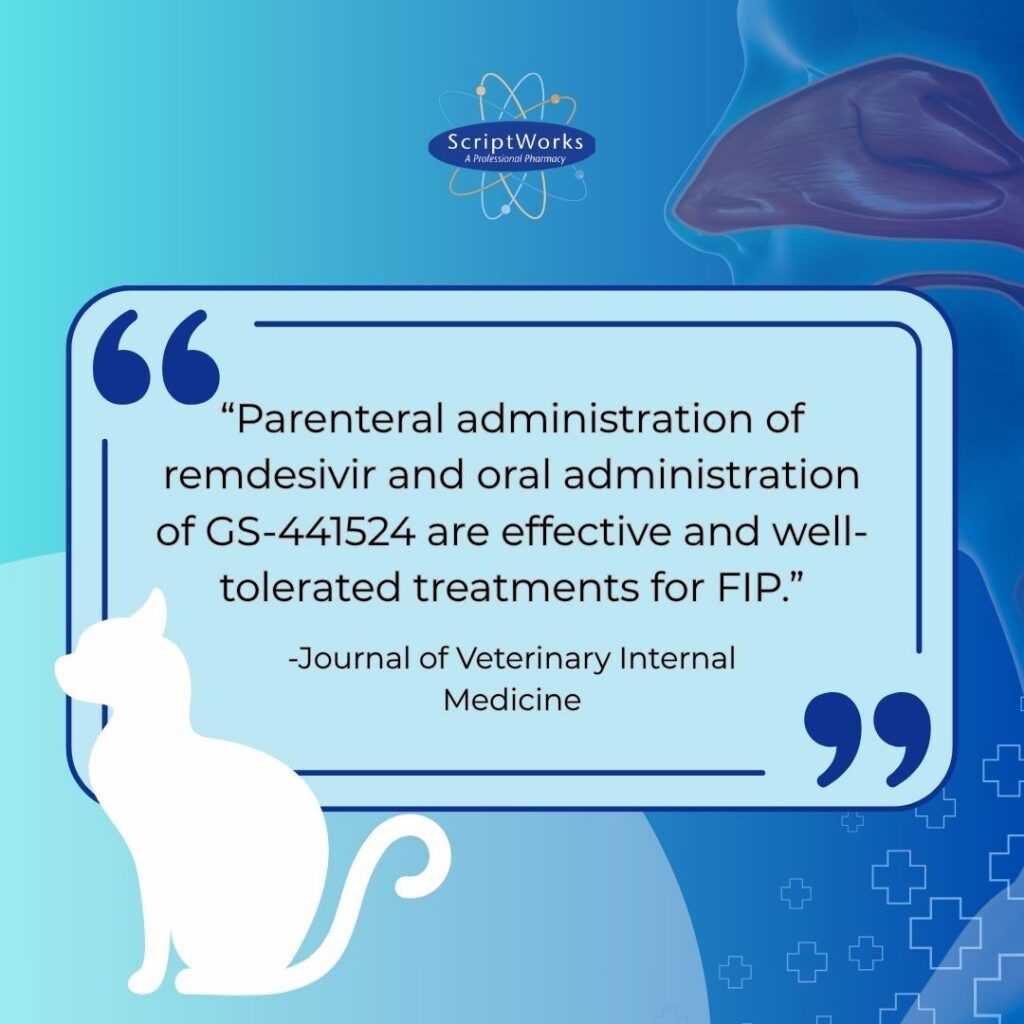
Veterinary researchers are studying antiviral compounds such as GS-441524, which may interact with coronavirus replication pathways. Treatment decisions depend on veterinary evaluation, clinical findings, and patient-specific factors.
Veterinary infectious disease research has examined antiviral compounds that interact with coronavirus replication in cats with FIP.
One compound frequently discussed in this research is GS-441524, studied for its interaction with viral RNA replication pathways.
GS-441524 and Viral Replication
GS-441524 belongs to a class of antiviral molecules known as nucleoside analogues. These compounds resemble the nucleosides viruses normally use to synthesize RNA during replication.
Once inside infected cells, GS-441524 undergoes metabolic activation that allows it to interact with viral replication processes:
- The compound is converted into an active nucleotide triphosphate form within the cell.
- This activated molecule interacts with the viral enzyme RNA-dependent RNA polymerase, which the virus uses to replicate its genetic material.
- Because nucleoside analogues resemble natural nucleotides, they may become incorporated into the growing RNA chain during viral replication. In simple terms, these compounds mimic the building blocks viruses use to reproduce.
- Structural differences between the analogue and natural nucleotides may interrupt RNA chain elongation and interfere with viral replication (Murphy et al., 2018).
In a clinical study involving cats with naturally occurring FIP, researchers evaluated GS-441524 and documented changes in clinical and laboratory findings during the observation period. The study is frequently cited in veterinary discussions of nucleoside analogue antivirals that interact with coronavirus replication pathways. (Pedersen et al., 2019).
Relationship to Remdesivir
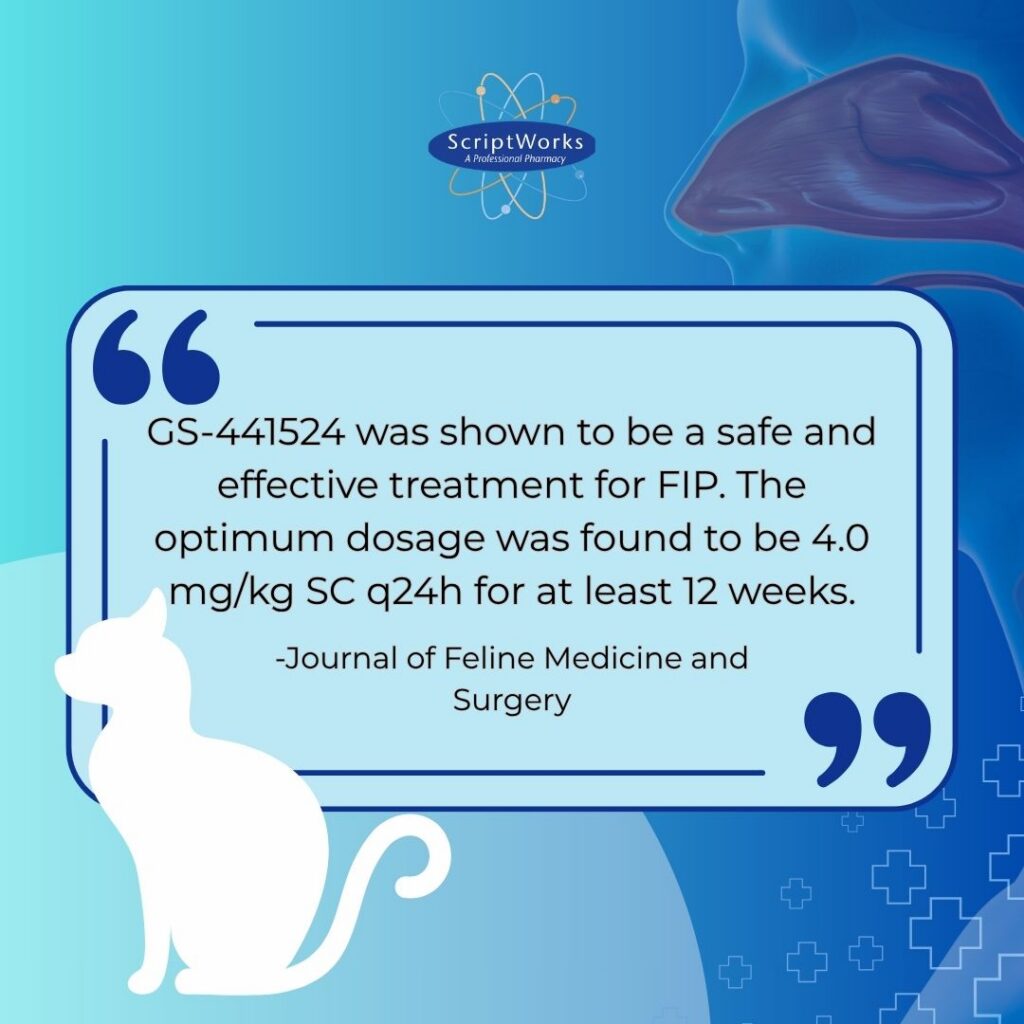
GS-441524 is closely related to remdesivir, another nucleoside analogue antiviral compound studied for its interaction with coronavirus RNA polymerase pathways.
In a prospective study of client-owned cats with FIP, investigators evaluated remdesivir with or without transition to GS-441524 and documented clinical and clinicopathologic findings across a six-month follow-up period. The study is relevant when discussing veterinary antiviral protocols that may involve different administration routes over time (Coggins et al., 2023).
Why FIP Antiviral Protocols May Require Compounding
In some situations, veterinarians may require medication strengths or dosage forms that are not available as commercially manufactured products.
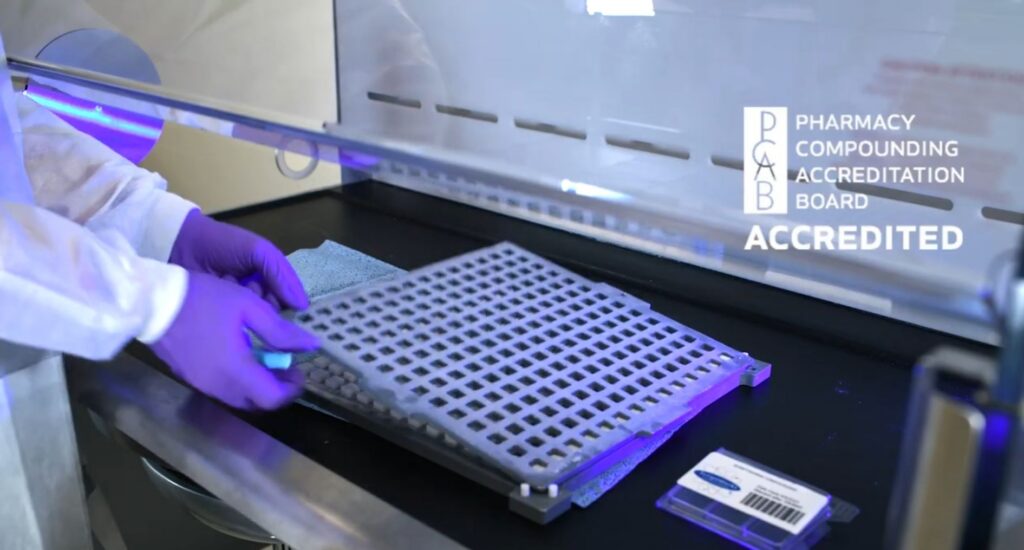
Differences in body weight, metabolism, and ingredient tolerance can make patient-specific dosing important in veterinary medicine. Compounding pharmacies work with veterinary prescribers to prepare customized medications according to the instructions provided in the prescription.
Common reasons veterinary prescribers may request compounded medications include:
- Customized Dosage Strengths: Capsules may be prepared in precise strengths requested by the prescribing veterinarian, allowing dosing to align with weight-based antiviral protocols used in veterinary FIP research.
- Dosage-Form Flexibility: Different dosage forms may help veterinarians adjust medication administration based on patient size, antiviral protocol requirements, or challenges administering medication to feline patients.
- Ingredient Adjustments: Inactive ingredients such as dyes, fillers, or preservatives may be modified or omitted when requested by the veterinarian.
- Medication Availability: When antiviral compounds studied in research are not commercially manufactured in veterinary-appropriate strengths or dosage forms, compounded preparations may be prepared according to the veterinarian’s prescription.
Compounded GS-441524 Capsules From ScriptWorks
When specialized antiviral formulations are needed, veterinary specialists may request compounded GS-441524 capsules prepared for individual feline patients.
At ScriptWorks, pharmacists collaborate with veterinary practices across California to compound GS-441524 capsules according to prescription specifications. Capsule formulations allow prescribing veterinarians to request customized strengths based on the cat’s body weight and the needs identified in the care plan.
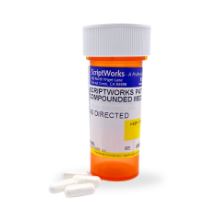
Each compounded preparation is created for an individual patient and dispensed only after a valid prescription from a licensed veterinarian.
ScriptWorks is a PCAB-accredited compounding pharmacy supporting veterinary clinics throughout California. Pharmacists prepare patient-specific medications in a variety of dosage forms to support prescriber-directed care plans.
Compounded dosage forms may include:
- Capsules for precise weight-based dosing
- Oral liquid suspensions for adjustable dosing protocols
- Other customized dosage forms prepared according to veterinary instructions
Our pharmacists are fully licensed and receive ongoing training on USP pharmacy compounding guidelines.
Veterinary clinics may also use the Provider Portal to submit prescriptions and manage orders directly with the pharmacy team. Once a prescription is received, we prepare the medication and coordinate fulfillment for both veterinary clinics and pet owners.
Delivery and Shipping Options
To support timely prescription access, ScriptWorks provides several delivery options:
- Weekday local delivery in the Walnut Creek and with 15 miles of ScriptWorks
- USPS Priority Mail shipping
UPS overnight delivery services all over California
Coordinating With ScriptWorks
Feline infectious peritonitis can present difficult decisions for both veterinarians and pet owners. When individualized medication strengths or dosage forms are needed, working with a compounding pharmacy can help ensure prescriptions are prepared according to the veterinarian’s instructions.

For veterinarians:
Speak with a pharmacist about patient-specific compounding options for FIP protocols.
For pet owners:
If your veterinarian prescribes a compounded medication, our pharmacy team may help coordinate preparation and delivery. Please note that your cat’s weight should be checked weekly as they tend to gain their weight quickly and therefore may need a dosage adjustment as often as every week.
This article is provided for educational purposes only and does not replace veterinary diagnosis or clinical recommendations. Pet owners should consult a licensed veterinarian for evaluation, diagnosis, and medical guidance for feline infectious peritonitis or any other health condition.
Frequently Asked Questions About Feline Infectious Peritonitis and Veterinary Compounding
What causes feline infectious peritonitis?
FIP occurs when feline coronavirus mutates and gains the ability to infect immune cells, allowing the virus to spread throughout the body and trigger systemic inflammatory reactions.
Is FIP contagious between cats?
FIP itself is not typically transmitted directly between cats. However, feline coronavirus that can mutate into FIP may spread through fecal-oral transmission in multi-cat environments.
What are early signs of FIP in cats?
Early signs may include persistent fever, lethargy, decreased appetite, or unexplained weight loss.
Is there a test for FIP in cats?
Veterinarians use a combination of diagnostic tests and clinical findings to evaluate suspected cases.
Is FIP curable in cats?
Historically, feline infectious peritonitis was widely considered fatal. Veterinary researchers continue studying antiviral approaches that interact with coronavirus replication pathways. Prognosis and management decisions should always be determined by a licensed veterinarian.
What is GS-441524?
GS-441524 is a nucleoside analogue antiviral compound studied in veterinary infectious disease research for its interaction with viral RNA replication pathways.
Why are compounded medications sometimes used in veterinary medicine?
Compounded medications allow veterinarians to prescribe customized strengths or dosage forms when commercially available medications do not meet the needs of an individual animal patient.
Are compounded medications FDA-approved?
Compounded medications are not FDA-approved products. They are prepared by licensed pharmacists according to a valid prescription from a veterinarian.
Do compounded veterinary medications require a prescription?
Yes. Compounded medications are prepared only after a licensed veterinarian issues a prescription for a specific animal patient.
References
- Coggins, S. J., Norris, J. M., Malik, R., Govendir, M., Hall, E. J., Kimble, B., & Thompson, M. F. (2023). Outcomes of treatment of cats with feline infectious peritonitis using parenterally administered remdesivir, with or without transition to orally administered GS-441524. Journal of Veterinary Internal Medicine, 37(5), 1772–1783. Link
- Feline infectious peritonitis. (n.d.). Cornell University College of Veterinary Medicine. Link
- Murphy, B., Perron, M., Murakami, E., Bauer, K., Park, Y., Eckstrand, C., Liepnieks, M., & Pedersen, N. (2018). The nucleoside analog GS-441524 strongly inhibits feline infectious peritonitis (FIP) virus in tissue culture and experimental cat infection studies. Veterinary Microbiology, 219, 226–233. Link
- Pedersen, N. C., Perron, M., Bannasch, M., Montgomery, E., Murakami, E., Liepnieks, M., & Liu, H. (2019). Efficacy and safety of the nucleoside analog GS-441524 for treatment of cats with naturally occurring feline infectious peritonitis. Journal of Feline Medicine and Surgery, 21(4), 271–281. Link
- Roman, N. (2025, November 21). Feline infectious peritonitis. Merck Veterinary Manual. Link
- Tasker, S. (2018b). Diagnosis of feline infectious peritonitis: Update on evidence supporting available tests. Journal of Feline Medicine and Surgery, 20(3), 228–243. Link