

Author: Bob Brensel | President, Pharmacist | ScriptWorks
Bob Brensel, RPh, earned his Pharmacy Degree at University of the Pacific in Stockton, California in 1980. Former California Pharmacists Association’s Award Winner for Recognition of Outstanding Achievement in Compounding Pharmacy. Read More →
Estimated Read Time: 7–8 Minutes
Summary: Chronic pain and autoimmune conditions often require individualized care strategies. For California patients exploring Low Dose Naltrexone (LDN) for chronic pain or autoimmune-related symptoms, conventional medication approaches may not always address symptom variability, sensitivity concerns, or dose-related side effects. As a result, healthcare providers sometimes consider alternative dosing strategies or off-label options when clinically appropriate.
Low Dose Naltrexone (LDN) has been studied in the context of immune modulation and altered pain processing. While originally approved at higher doses for substance use disorders, lower-dose applications have been evaluated in research settings involving conditions such as fibromyalgia, multiple sclerosis, Crohn’s disease, and other inflammatory or autoimmune-related disorders. Compounded formulations may allow flexibility in dosing when prescribed and monitored by a healthcare professional.
Low Dose Naltrexone (LDN) in California: Research, Dosing, and Compounding Considerations
Chronic pain and autoimmune-related conditions often require individualized care strategies. Many patients experience variability in medication tolerance, dosing sensitivity, and clinical response, which may prompt healthcare providers to explore alternative approaches within a structured care plan.
Low Dose Naltrexone (LDN) has generated clinical interest in recent years due to research examining its potential interaction with immune and nervous system pathways. While its use in this context is considered off-label, some practitioners incorporate LDN into broader treatment strategies for patients with complex inflammatory or pain-related presentations.
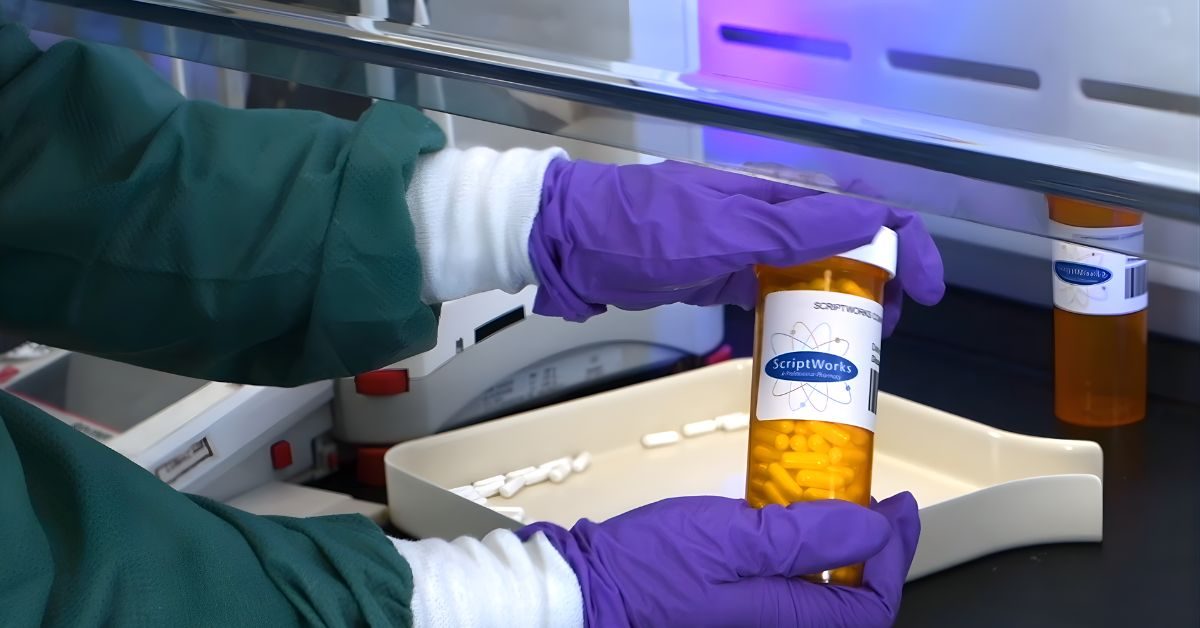
As a PCAB-accredited compounding pharmacy, ScriptWorks supports California prescribers by preparing customized LDN formulations in patient-specific strengths and dosage forms. Through collaborative, provider-directed care, compounded LDN is carefully titrated with individualized dosing aligned with each patient’s clinical profile.
What Is Low Dose Naltrexone?
Naltrexone is a prescription medication commonly utilized in the management of alcohol and opioid use disorders. It functions by blocking opioid receptors associated with euphoric effects, which may help reduce cravings and support relapse prevention as part of a comprehensive care plan.

Low Dose Naltrexone (LDN), by comparison, involves the use of significantly smaller amounts of naltrexone to create a temporary and partial blockade of these receptors. At lower doses, LDN has been observed to influence pathways related to pain perception and immune system activity. It may support endogenous endorphin production and help modulate inflammatory signaling. These mechanisms are being utilized in connection with chronic pain and certain autoimmune-related conditions.
In clinical practice, compounded Low Dose Naltrexone (LDN) may be prepared in customized strengths to support individualized dosing when prescribed. As interest in personalized approaches to care continues to expand, LDN may be considered off-label in the context of inflammation, immune-related imbalances, and chronic pain, under the supervision of a licensed healthcare provider.
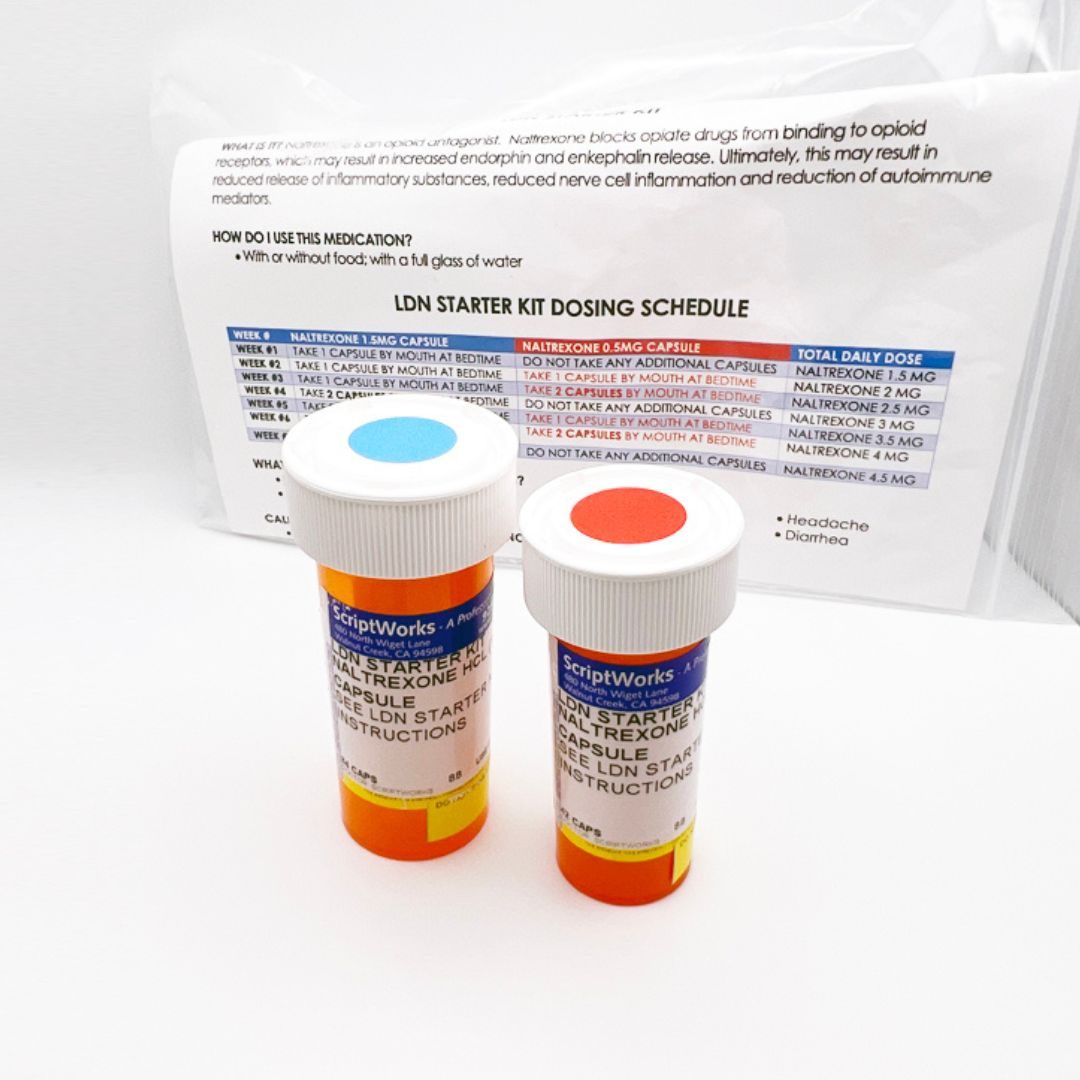
When prescribed, LDN is dispensed by ScriptWorks in titration kits designed to allow gradual dose adjustments, commonly ranging from 0.5 mg to 4.5 mg. In collaboration with the prescriber, individuals who are new to LDN may begin at lower doses to help assess tolerance and clinical response before making incremental adjustments.
As a PCAB-accredited compounding pharmacy, ScriptWorks supports patients and providers throughout California, including Walnut Creek, Concord, and surrounding Bay Area communities.
Why Pain & Autoimmune Patients Often Start at Lower Doses
Response to LDN can vary among individuals. For this reason, gradual titration is commonly used to help identify a dose that aligns with a patient’s sensitivity, tolerance, and overall health profile. Through compounding, doses can be adjusted incrementally, allowing clinicians to evaluate response while finding the dose that yields the optimal patient outcomes.
Moreover, LDN can be integrated into broader care plans developed by healthcare professionals, including primary care providers, naturopathic doctors, rheumatologists, and neurologists.
What LDN Research Has Explored So Far
An expanding body of research has evaluated low-dose naltrexone across conditions characterized by altered pain processing and immune dysregulation. Rather than positioning LDN as a replacement for standard care, these findings have contributed to interest in its use as an off-label adjunct for patients who experience limited response or tolerability with conventional options.
Potential Immune-Modulation Properties of LDN
- Multiple Sclerosis
Recent research suggests that low-dose naltrexone (LDN) may offer potential benefits for individuals with multiple sclerosis (MS), particularly in relation to inflammation and nerve cell protection. It’s been explored how LDN may influence pathways involved in oxidative stress and immune signaling that are associated with myelin and nerve cell damage.
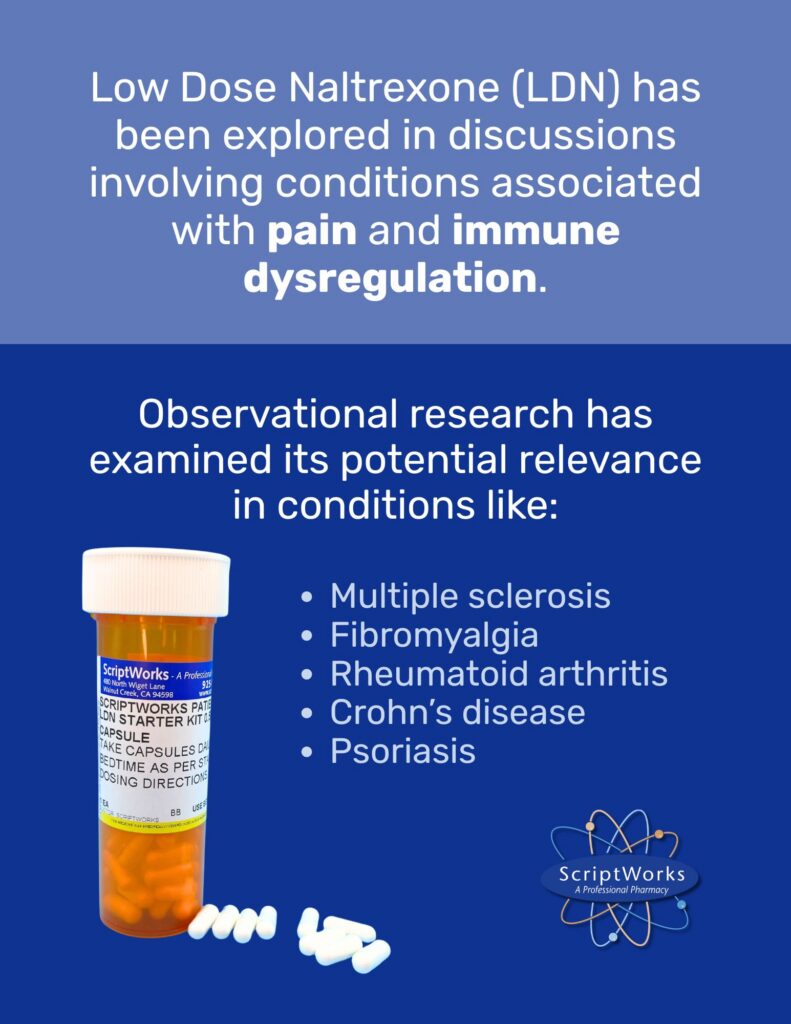
- Fibromyalgia
Fibromyalgia research has examined low-dose naltrexone in the context of central pain amplification and immune signaling dysregulation. Across several small studies, LDN use has been linked to reduced pain sensitivity and overall symptom burden, drawing attention from its supportive properties for both pain processing and inflammatory pathways.
- Rheumatoid Arthritis
Registry-based observational analyses in rheumatoid arthritis have explored associations between sustained low-dose naltrexone use and changes in medication utilization patterns. These patterns suggest a potential supportive role alongside conventional care.
- Crohn’s Disease
In prospective pilot studies involving active Crohn’s disease, low-dose naltrexone has been evaluated in relation to changes in disease activity and patient-reported quality-of-life measures. These findings underscore potential promise within immune-mediated gastrointestinal inflammation.
- Psoriasis
Clinical investigations in psoriasis have assessed low-dose naltrexone for its relevance to inflammatory skin disease. Prospective trial data have reported measurable changes in disease severity, body surface area involvement, and dermatology-specific quality-of-life outcomes, contributing to growing clinical curiosity.
LDN Capsule Titration Kit for Personalized Dosing Calibration
Because individual tolerance can vary, initiating LDN often involves gradual dose adjustment. To support this process, ScriptWorks offers LDN Capsule Titration Kits with pre-filled, clearly labeled doses designed to follow a prescriber-directed schedule.
By removing the need to split or modify capsules, these kits help simplify early dosing. Instructional guidance is included, and pharmacy support is available to address questions during the titration period.
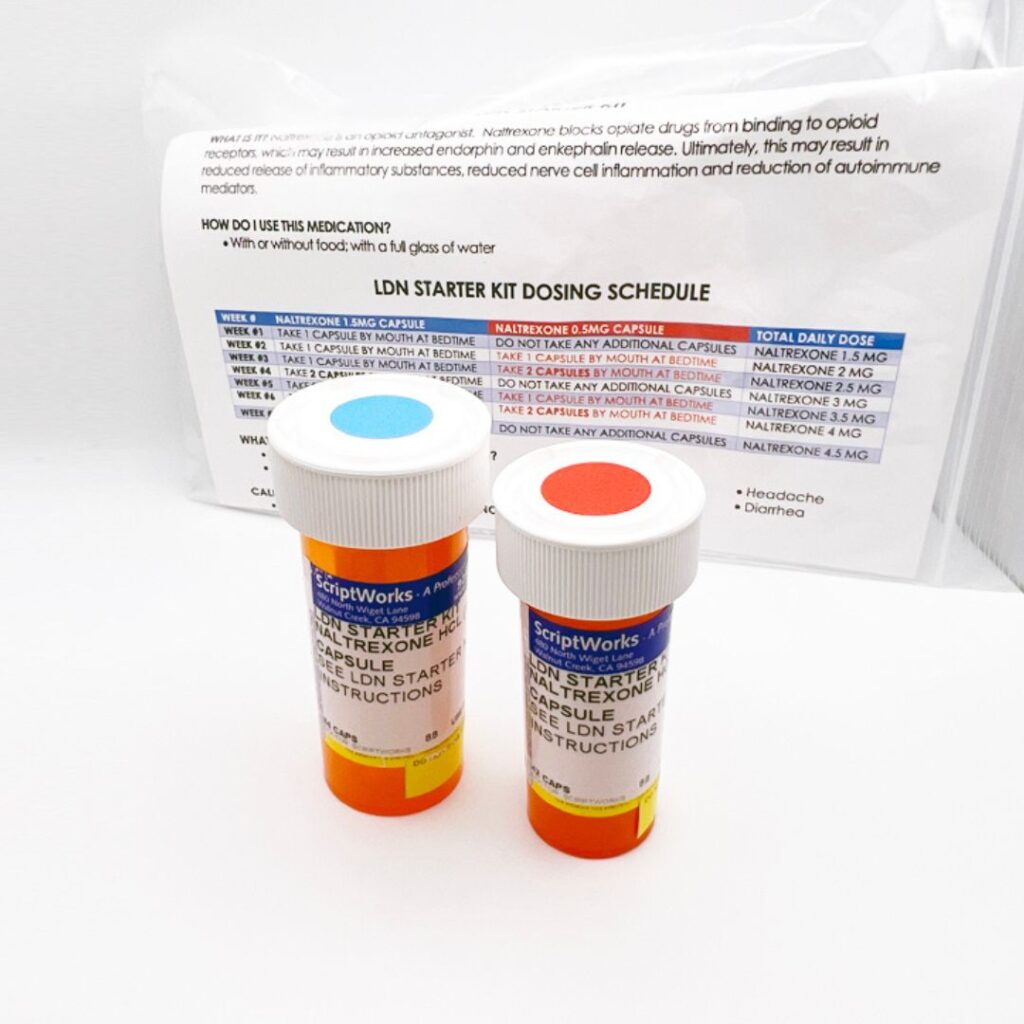
LDN Capsule Titration Kits are available in multiple formats, including Standard, Slow, and Very Low-Dose options. The appropriate approach is determined by the healthcare provider, based on clinical context, sensitivity considerations, and patient lifestyle. Additional customization may be provided when directed by the prescriber to support comfort and tolerability.
Frequently Asked Questions About Low Dose Naltrexone (LDN)
Related Prescriptions
What may low dose naltrexone be used for?
LDN is sometimes prescribed off-label for patients with chronic pain or immune-related conditions. At lower doses, it has been studied for its potential effects on pain signaling and inflammation.
Is LDN FDA-approved for autoimmune conditions?
No. Naltrexone is FDA-approved at higher doses for alcohol and opioid use disorders.
Its use at low doses for autoimmune or pain-related conditions is considered off-label.
How long does it take for my body to respond to LDN therapy?
Response time varies. Some patients notice changes within a few weeks, while others may take longer. Providers typically monitor progress over time.
What are common LDN side effects?
Possible side effects may include vivid dreams, sleep changes, headache, or mild stomach discomfort. These are often temporary and may improve with dose adjustments.
How is compounded LDN different from standard naltrexone?
Standard naltrexone comes in higher doses. Compounded LDN is prepared in lower, customized strengths to allow more flexible dosing based on provider guidance.
How Different Patient Scenarios May Approach LDN Initiation
- Sensitivity-Aware Starting Approach
A patient considering low-dose naltrexone for chronic pain or neurologic symptoms may be cautious due to prior sensitivity to medications. After discussing this with a healthcare provider, starting at a very low dose and adjusting gradually can be a practical way to account for individual response variability. A compounding pharmacy supports this approach by enabling careful monitoring and precise dose adjustments as directed.
- Immune-Related Symptoms Requiring Dose Flexibility
Patients managing immune-mediated inflammatory symptoms may prefer an approach that allows dosing to be tailored over time rather than fixed from the start. Compounded LDN formulations make it possible to adjust dose strength incrementally, aligning with how LDN has been studied across inflammatory conditions where responses can differ from one patient to another.
- Chronic Pain Patient Seeking Structure and Consistency
For individuals living with long-standing pain, beginning LDN within a structured framework may help prioritize consistency and tolerability during early use. Pharmacy-supported monitoring and planned dose progression allow patients and providers to evaluate how LDN fits into an overall pain-management plan without rushing decisions or expectations.
California’s Compounding Pharmacy Partner for Pain and Autoimmune Care
ScriptWorks collaborates with healthcare providers to support individualized approaches to pain and autoimmune patient care. Through compounding, our pharmacy can customize dosage forms and formulations designed to align with prescriber-directed clinical plans.
Reach out to our pharmacy team and get the answers to your questions.


As a PCAB-accredited compounding pharmacy, ScriptWorks follows quality and safety standards in the preparation of compounded medications for California patients.
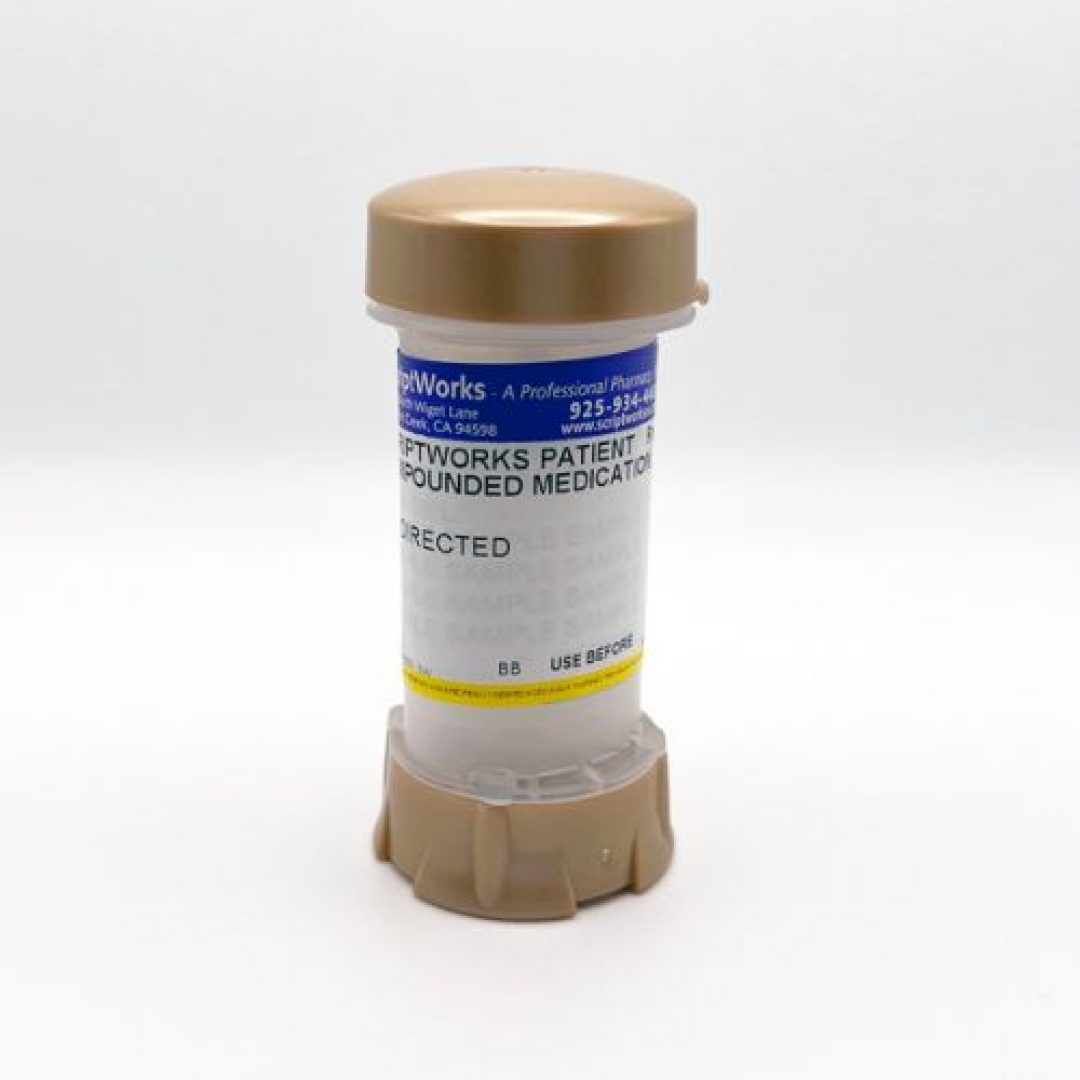
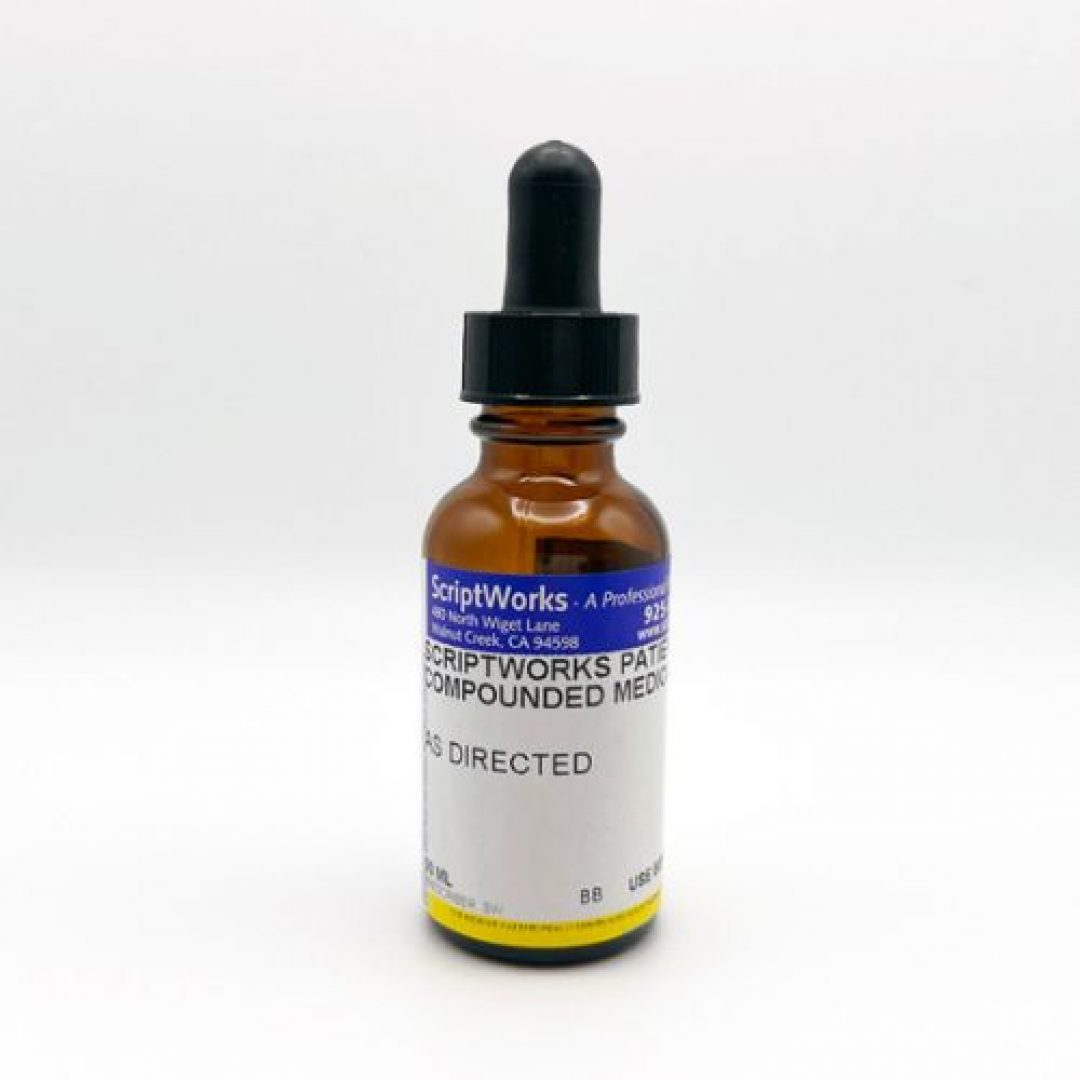
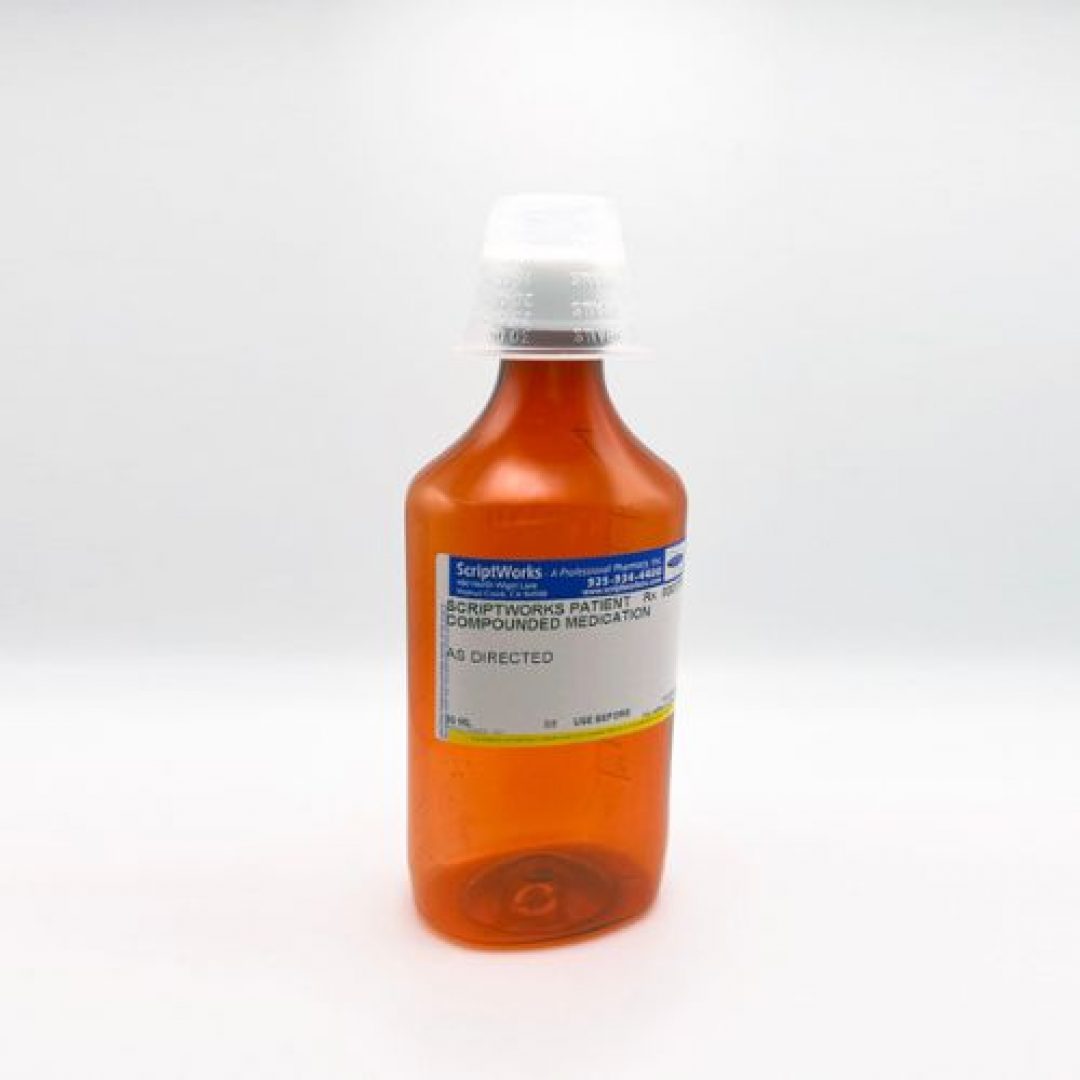
LDN can be prepared in multiple forms to accommodate clinical needs, dosing precision, and tolerability considerations:
- Capsule Titration Kit: Often selected when a prescriber wants a structured, stepwise dosing approach during initiation. Pre-measured incremental strengths may support careful monitoring of tolerance and response, particularly for patients who are medication-sensitive or new to LDN.
- Oral Liquid: May be recommended when very small or highly precise dose adjustments are needed. This form can be useful for patients who require incremental titration beyond standard capsule strengths or who have difficulty swallowing solid dosage forms.
- Sublingual Drops: Sometimes considered for patients who prefer an alternative to capsules or who have gastrointestinal sensitivities that may affect oral tolerance. This route allows absorption through the oral mucosa, as directed by the prescriber.
- Topical Cream: May be selected for individuals with oral intolerance or heightened medication sensitivity. A topical preparation provides a non-oral option that avoids the digestive tract and may be incorporated into a broader, provider-directed care plan.
Next Steps: Provider-Guided, Patient-Specific Care
ScriptWorks works alongside California healthcare specialists, including integrative and functional medicine physicians, pain management specialists, and primary care providers, to support personalized care planning for patients with complex needs.
Our pharmacy serves California patients statewide, shipping from San Diego to The Bay and everything in between. We even offer local delivery in Walnut Creek, Concord, Martinez, San Ramon, Danville, Alamo, Lafayette, and Orinda.
SCRIPTWORKS
DELIVERS.
Your prescriptions arrive when you need them.
Get medications faster with ScriptWorks.
Weekday
Local Deliveries
Walnut Creek, Concord, Martinez, San Ramon, Danville, Alamo, Lafayette and Orinda.

USPS 1st Priority Mail
Overnight Mail Delivery
California (state-wide)
For patients: Ask our pharmacists to learn how compounded medications may fit into your care — and how to have an informed discussion with your healthcare provider.
For prescribers: Connect with ScriptWorks to explore compounding options that support dosing flexibility and individualized strategies for your patients.
References
- Agrawal, Y. P. (2005). Low dose naltrexone therapy in multiple sclerosis. Medical hypotheses, 64(4), 721-724. Link
- Cree, B. a. C., Kornyeyeva, E., & Goodin, D. S. (2010). Pilot trial of low‐dose naltrexone and quality of life in multiple sclerosis. Annals of Neurology, 68(2), 145–150. Link
- De Carvalho, J. F., & Skare, T. (2023). Low-Dose naltrexone in rheumatological diseases. Mediterranean Journal of Rheumatology, 34(1), 1. Link
- Khan, S., Ghafoor, R., & Kaleem, S. (2020). Efficacy of low dose naltrexone in psoriasis. Journal of College of Physicians and Surgeons Pakistan, 30(06), 579–583. Link
- Kim, P. S., & Fishman, M. A. (2020). Low-dose naltrexone for chronic pain: update and systemic review. Current Pain and Headache Reports, 24(10), 64. Link
- Leiber, K. K., & Parker, R. W. (2025). Therapeutic uses and efficacy of low-dose naltrexone: A scoping review. Cureus, 17(3). Link
- Li, Z., You, Y., Griffin, N., Feng, J., & Shan, F. (2018). Low-dose naltrexone (LDN): A promising treatment in immune-related diseases and cancer therapy. International immunopharmacology, 61, 178-184. Link
- Smith, Jill P., Stock, Heather, Bingaman, Sandra, Mauger, David, Rogosnitzky, Moshe, Zagon, Ian S. (2007). Low-Dose Naltrexone Therapy Improves Active Crohn’s Disease. American Journal of Gastroenterology 102(4):p 820-828. Link
- Toljan, K., & Vrooman, B. (2018). Low-dose naltrexone (LDN)—review of therapeutic utilization. Medical Sciences, 6(4), 82. Link
- Trofimovitch, D., & Baumrucker, S. J. (2019). Pharmacology update: low-dose naltrexone as a possible nonopioid modality for some chronic, nonmalignant pain syndromes. American Journal of Hospice and Palliative Medicine®, 36(10), 907-912. Link